Waist-to-Height Ratio (WHtR) & Health Risk Calculator
Screen central adiposity and cardiometabolic risk using the Ashwell Shape Chart methodology. WHtR is a screening indicator associated with cardiometabolic risk.
Input Parameters
MetricInstant Biometric Computation
Within recommended screening boundary (waist less than half your height). WHtR is a screening indicator associated with cardiometabolic risk.
Recommended healthy waist boundary for your height: 71.2 - 87.2 cm.
WHtR is a screening indicator associated with cardiometabolic risk. It does not directly measure visceral fat and does not provide a diagnosis. Discuss concerning results with a qualified healthcare professional.
Export to Fitness Logs & Spreadsheets
Save this calculation for your training log: Apple Notes, Notion, Obsidian, Google Sheets, or Excel.
How This Calculator Works & Mathematical Formula
Waist-to-Height Ratio: WHtR = Waist Circumference / Height (same units)
- < 0.40: Take Care / Underweight (Increased non-cardiac mortality risk)
- 0.40 - 0.49: Healthy Weight Boundary / Low Cardiometabolic Risk
- 0.50 - 0.59: Increased Risk / Elevated Central Adiposity
- ≥ 0.60: Substantially High Risk / Significant Central Distribution
Standard Physiological Guidelines & Scientific References
Clinical Society Guidelines
- National Institute for Health and Care Excellence (NICE) Clinical Guideline CG189 (2022 Update: WHtR recommended over BMI)
- Ashwell M, Gibson S. Waist-to-height ratio as an indicator of early health risk. BMJ Open. 2016.
- World Health Organization (WHO) Consultation on Obesity and Metabolic Syndrome
Peer-Reviewed Citations
- Ashwell M, Gunn P, Gibson S. Waist-to-height ratio is a better screening tool than waist circumference and BMI for adult cardiometabolic risk factors: systematic review and meta-analysis. Obes Rev. 2012;13(3):275-286.
- Browning LM, et al. A systematic review of waist-to-height ratio as a screening tool for the prediction of cardiovascular disease and diabetes. Nutr Res Rev. 2010;23(2):247-269.
Formula Limitations, Safety Guidance & Doctor Consultation
Formula Limitations & Population Assumptions
•WHtR is a screening indicator associated with cardiometabolic risk. It does not directly measure visceral fat and does not provide a diagnosis. Discuss concerning results with a qualified healthcare professional.
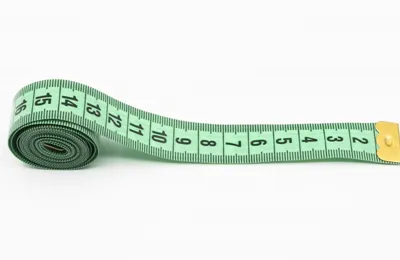
•Measure waist circumference midway between the lowest palpable rib and the top of the iliac crest (pelvic bone) at the end of normal expiration.
When to Consult a Physician
Always consult a licensed medical professional before implementing significant changes to your caloric intake, fasting routine, hydration targets, or strenuous exercise programming. Seek immediate medical evaluation if you experience unexplained chest discomfort, irregular heartbeats, shortness of breath, dizziness, syncope, or if you have pre-existing cardiovascular, metabolic, renal, or endocrine conditions.
Not medically reviewed. The results and estimates generated by this calculator are derived strictly from published population formulas and sports science research. They are intended for general athletic education and personal informational purposes only, and must never be construed as clinical diagnosis, medical prescription, or specialized healthcare advice.
Frequently Asked Questions (4 Technical Inquiries)
More in Body Composition
Complementary physiological calculations to refine your nutrition and programming.
US Navy Body Fat Percentage Calculator
Empirical body circumference method adopted by the United States Department of Defense for estimated body composition assessment.

Lean Body Mass (LBM) & FFMI Calculator
Calculate Fat-Free Mass Index (FFMI) and normalized FFMI to evaluate natural muscularity benchmarks based on Kouri et al. cohorts.

Ideal Body Weight & Bone Frame Size Calculator
Compare Devine, Robinson, Miller, and Hamwi clinical equations with wrist circumference bone frame size calibrations.